
Continence Care

Raghad | User, Continence Care
Intermittent catheters
The SpeediCath range is instantly ready to use catheters. The unique hydrophilic coating and polished eyelets ensure a smooth and conventient catherisation every day. Available in male, female and pediatric versions.
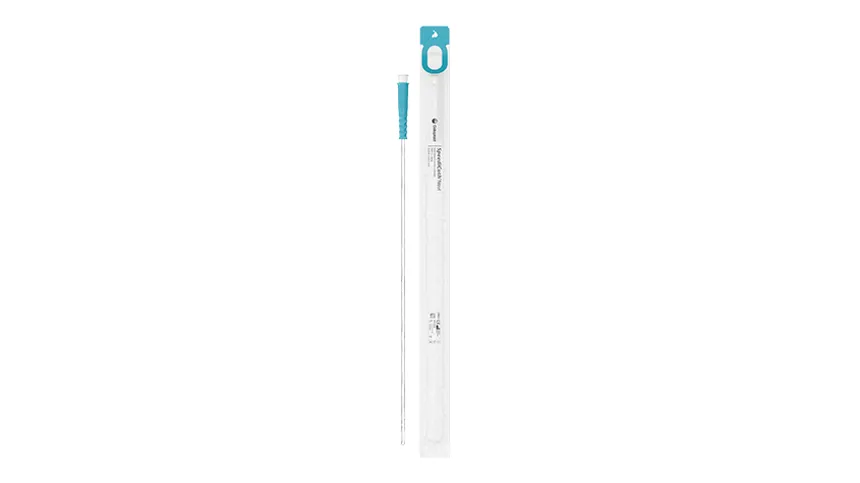
SpeediCath Navi
SpeediCath Navi is an instantly ready-to-use, soft, male catheter with a flexible tip for gentle insertion and smooth passage through the natural curves and bends of the male urethra.

Speedicath Compact Set
The only compact all-in-one catheter and bag solution. SpeediCath Compact Set is a compact catheter and bag system. Its innovative, discreet design means the catheter can easily be stored in a pocket or handbag. It is available in both male and female versions.

SpeediCath Compact Female
SpeediCath Compact Female has a unique hydrophilic coating and polished eyelets designed to reduce friction and increase comfort. It is the first catheter designed to suit the anatomy of the female body, and it is about the size of a lipstick.

Speedicath Compact Plus
SpeediCath Compact Female is a discreet and easy to use catheter for women. It is the first catheter designed to suit the anatomy of the female body, and it is about the size of a lipstick.

SpeediCath Compact Male
A discreet and instantly ready to use catheter for men, SpeediCath Compact Male has a unique hydrophilic coating and polished eyelets designed to reduce friction and increase comfort, thereby minimising the risk of urethral damage.

SpeediCath
SpeediCath Standard is a ready to use catheter, there are no additional need for lubrication. It is easy to open and use. The hydrophilic coating ensures a smooth insertion and withdrawal.
Our continence care products
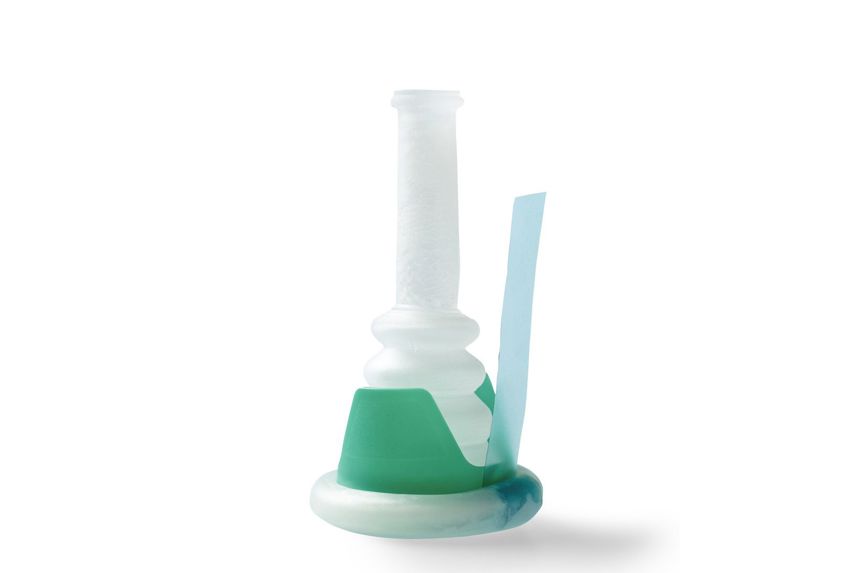
Conveen Security + urisheath
Made of latex free material, Conveen Security+ offers a skin friendly alternative to traditional latex urisheaths.
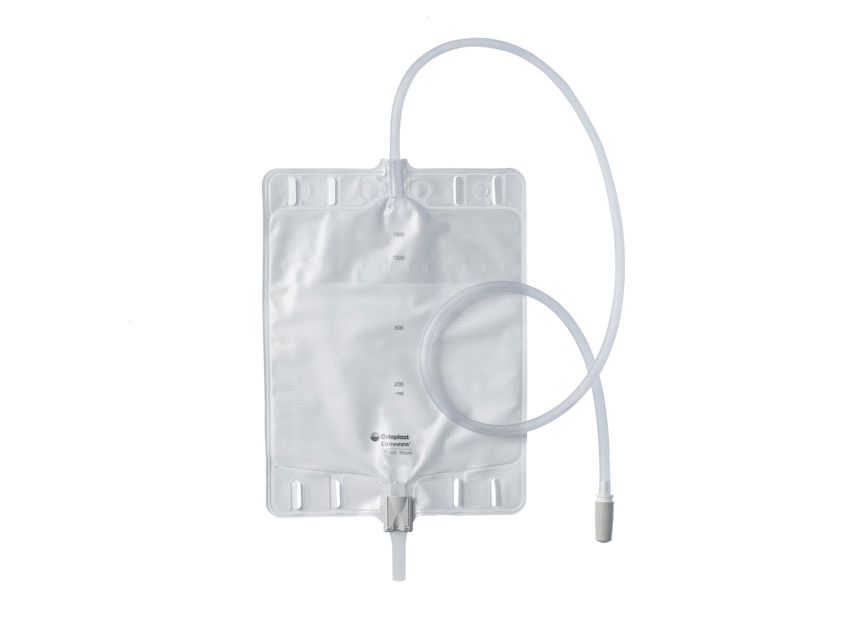
Conveen Standard
Secure and reliable urinary collection bag for bedside drainage or large capacity leg bag. Clamp outlet makes it easy to verify proper closure and prevent accidental leakage.
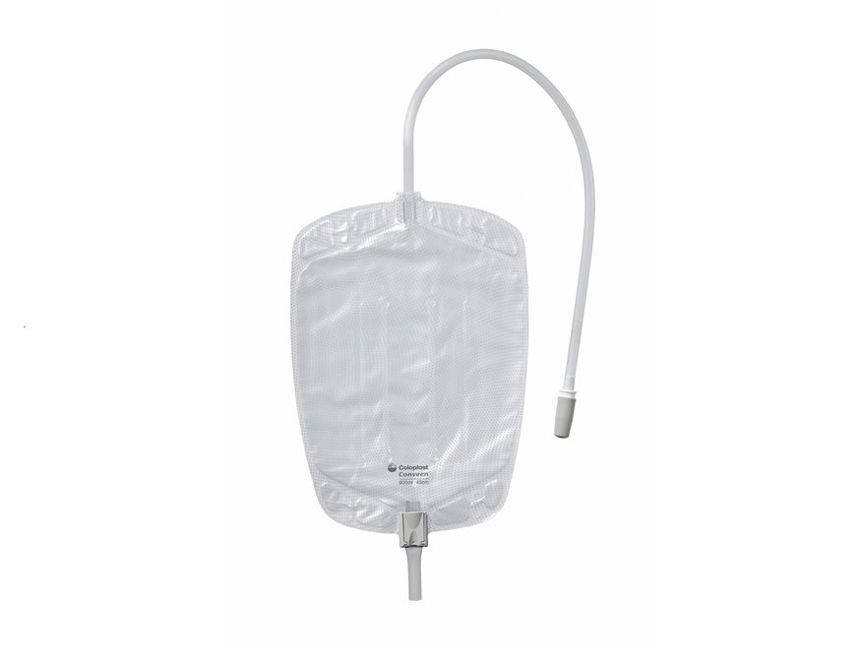
Conveen Contour
Secure and reliable urinary collection. Enhanced chambered design for added discretion.
Questions about catheters and catheterisation?
Here you’ll find information about everyday life and comfort as a catheter user.
What is Intermittent Catheterisation (IC)?
Intermittent Catheterization (IC) also known as clean intermittent catheterization (CIC), involves inserting a catheter (a thin, flexible tube) into the bladder through the urethra to drain urin. IC is Ready-to-Use sterile, single-use urinary catheters that come pre-lubricated and ready for immediate insertion, eliminating the need for additional preparation or lubrication. These catheters are designed to make self-catheterization easier, faster, more convenient, and more hygienic.
What are the advantages of Intermittent Catheterisation?
IC helps reduce urinary infections by reducing residual urine, supports better bladder control, and can be done safely outside the hospital. It promotes independence, protects the upper urinary tract, and improves daily comfort, sexual health, and quality of life.
Why choose a hydrophilic catheter for IC?
Hydrophilic coated catheters provide smoother, gentle insertion, reduce friction-related trauma, require no preparation, and offer evidence-backed reductions in complications—making them a more comfortable and convenient option.
How often should I self-catheterise?
IC is often required for individuals who have difficulty emptying their bladder due to various medical condition. This process is typically performed 4-6 times a day, allowing individuals to manage their bladder function effectively.
What size of catheter should I use?
It is important to use the correct catheter type and size. Your healthcare professional will help you choose the most suitable option based on your individual needs.
What should I do if I can’t insert the catheter?
If you have tried and failed, do not worry or panic. Try to relax and wait for a minute before trying again. You may find it helpful to take a warm bath or shower before catheterising again. If you still cannot insert the catheter, contact your healthcare professional for advice.
How much should I drink during the day?
You should drink around 1.5–2 liters of fluid per day. The color of your urine can help indicate whether you are drinking enough. Light-colored urine usually means you are well hydrated.
What should I consider when travelling as a catheter user?
Catheters may not be available in all regions or countries, and you may need a prescription. Make sure to pack enough catheters for the entire duration of your trip. To avoid issues at customs, you may wish to ask your healthcare professional for a written statement confirming that the catheters are for medical reasons and for personal use.
Are there any symptoms I should look out for as a catheter user?
Yes. Contact your healthcare professional if you notice any of the following:
- Cloudy or dark-colored urine
- Unpleasant urine odor
- Burning sensation during catheterisation or urination
- Increased frequency or urgency to urinate
- Fever or flu-like symptoms, which may indicate an infection
Articles
Understanding your bladder

Living with bladder problems
From unexpected leaks to difficulty emptying the bladder, bladder issues are more common than many realize and can stem from a variety of causes.
Read about bladder problems
Spina bifida and bladder issues
Spina Bifida often impacts bladder and bowel control. This article provides an overview of the condition, its different types, and how it can influence everyday life.
Read about SB and bladder issues
Spinal cord injury and bladder problems
A spinal cord injury can disrupt the nerve signals that control the bladder, leading to leakage, retention, or both. This article explores how SCI affects the bladder.
Read about SCI and bladder issues
Multiple sclerosis and bladder dysfunction
Multiple sclerosis doesn’t just affect the brain and spinal cord—it can also disrupt everyday functions like bladder control. This article explains how MS impacts the urinary system.
Read about MS and bladder issues