
Continence Care

Intermittent catheters
SpeediCath is the instantly ready to use catheter. The unique hydrophilic coating and polished eyelets ensure a safe, convenient and simple catheterisation every day. Available in male, female and pediatric versions.
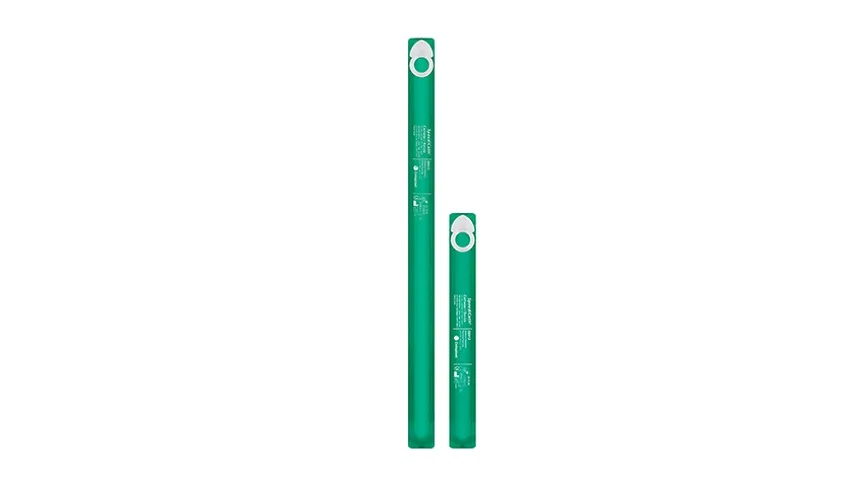
SpeediCath
Latex urisheath with anti-leakage design and easy-on application.
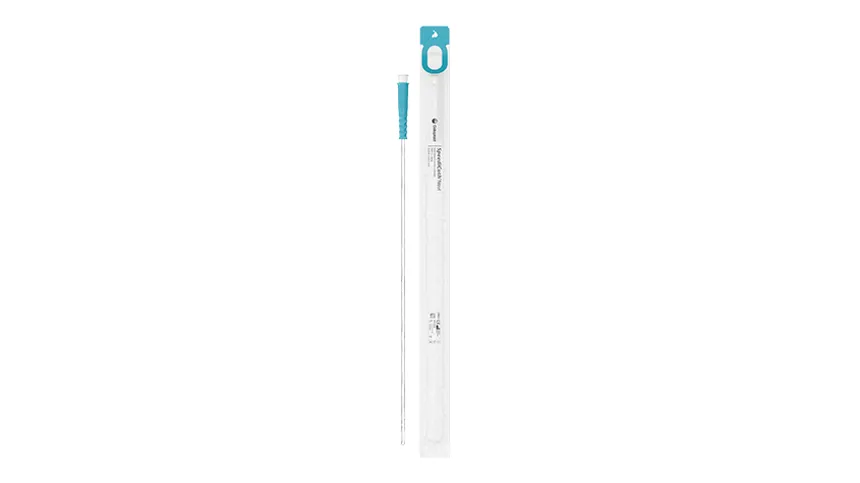
SpeediCath Navi
SpeediCath Navi is a new instantly ready-to-use, soft, male catheter with a flexible tip to aid gentle insertion and smooth passage through the natural curves and bends of the male urethra.
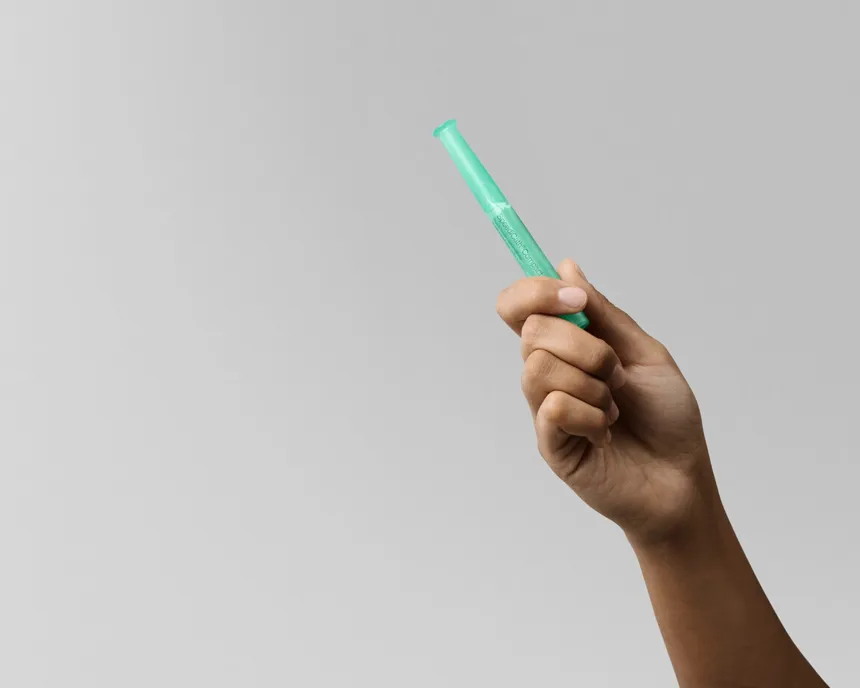
SpeediCath Compact Female
SpeediCath Compact Female has a unique hydrophilic coating and polished eyelets designed to reduce friction and increase comfort. It is the first catheter designed to suit the anatomy of the female body, and it is about the size of a lipstick.
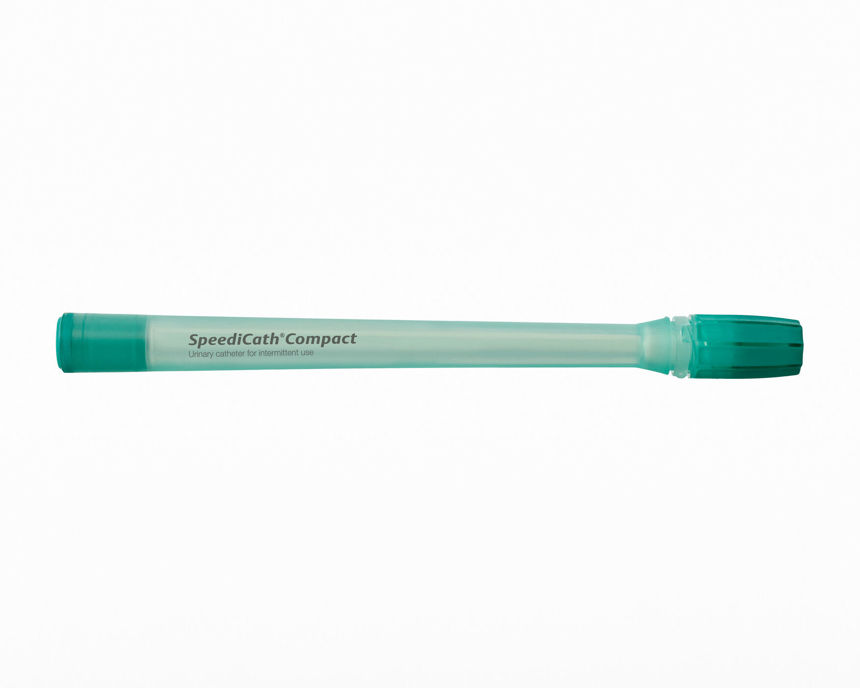
SpeediCath Compact Male
A discreet and instantly ready to use catheter for men, SpeediCath Compact Male has a unique hydrophilic coating and polished eyelets designed to reduce friction and increase comfort, thereby minimising the risk of urethral damage.

Speedicath Compact Set
The only compact all-in-one catheter and bag solution. SpeediCath Compact Set is a compact catheter and bag system. Its innovative, discreet design means the catheter can easily be stored in a pocket or handbag. It is available in both male and female versions.

Speedicath Compact Plus
SpeediCath Compact Female is the discreet and easy to use catheter for women. It is the first catheter designed to suit the anatomy of the female body, and it is about the size of a lipstick.
Supporting continence care products
We offer urisheaths, urine bags, leg bag straps and other accessories to help you manage your condition with confidence.
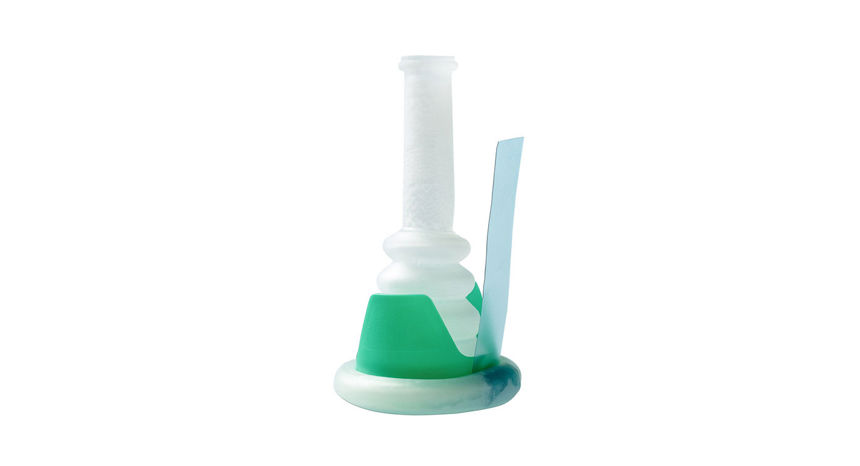
Conveen Security + urisheath
Made of latex free material, Conveen Security+ offers a skin friendly alternative to traditional latex urisheaths.
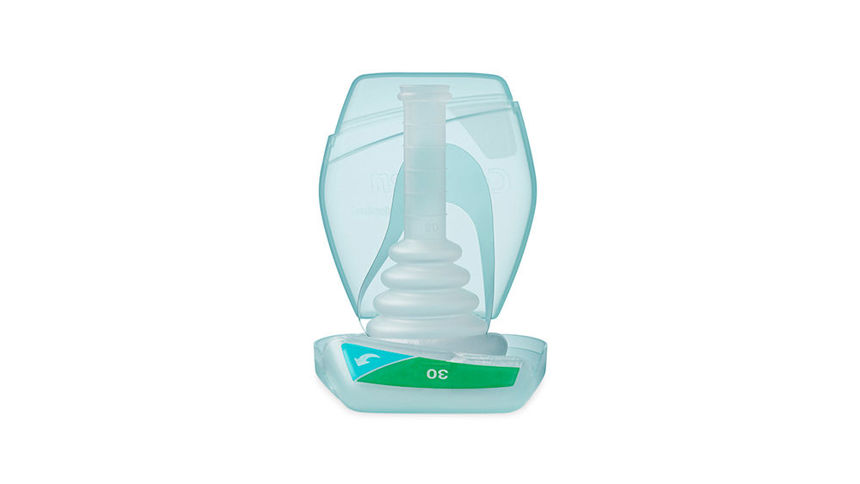
Conveen Optima
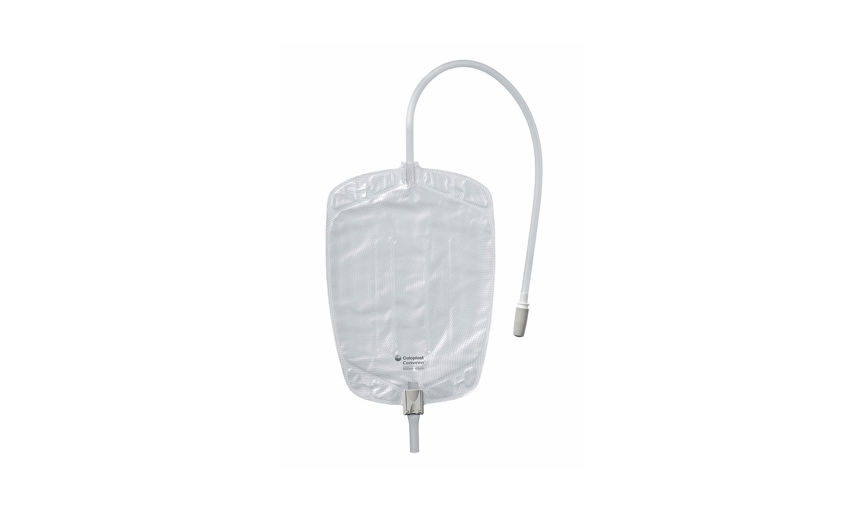
Conveen Contour
Secure and reliable urinary collection. Enhanced chambered design for added discretion.
Questions about catheters and catheterisation?
Here you’ll find information about everyday life and comfort as a catheter user.
What is Intermittent Catheterisation (IC)?
Intermittent Catheterisation is a method used to empty the bladder in people with urinary retention. It involves inserting a catheter through the urethra 4–6 times a day to fully drain the bladder, after which the catheter is discarded. Regular emptying prevents infections that can start in the bladder and reach the kidneys.
What are the advantages of Intermittent Catheterisation?
IC helps reduce urinary infections by removing residual urine, supports better bladder control, and can be done safely outside the hospital. It promotes independence, protects the upper urinary tract, and improves daily comfort, sexual health, and quality of life.
Why choose a hydrophilic catheter for IC?
Hydrophilic catheters provide smoother, safer insertion, reduce friction-related trauma, require no preparation, and offer evidence-backed reductions in complications—making them a more comfortable and convenient option.
How often should I self-catheterise?
Around 4–6 times a day, or as recommended by your doctor or nurse. You should catheterize as often as needed to empty your bladder, similar to how a normally functioning bladder would work.
What size of catheter should I use?
It is important to use the correct catheter type and size. Your healthcare professional will help you choose the most suitable option based on your individual needs.
What should I do if I can’t insert the catheter?
If you have tried and failed, do not worry or panic. Try to relax and wait for a minute before trying again. You may find it helpful to take a warm bath or shower before catheterising again. If you still cannot insert the catheter, contact your healthcare professional for advice.
How much should I drink during the day?
You should drink around 1.5–2 liters of fluid per day. The color of your urine can help indicate whether you are drinking enough. Light-colored urine usually means you are well hydrated.
Articles
Understanding your bladder

Living with bladder problems
From unexpected leaks to difficulty emptying the bladder, bladder issues are more common than many realize and can stem from a variety of causes.
Read about bladder problems
Spina bifida and bladder issues
Spina Bifida often impacts bladder and bowel control. This article provides an overview of the condition, its different types, and how it can influence everyday life.
Read about SB and bladder issues
Spinal cord injury and bladder problems
A spinal cord injury can disrupt the nerve signals that control the bladder, leading to leakage, retention, or both. This article explores how SCI affects the bladder.
Read about SCI and bladder issues
Multiple sclerosis and bladder dysfunction
Multiple sclerosis doesn’t just affect the brain and spinal cord—it can also disrupt everyday functions like bladder control. This article explains how MS impacts the urinary system.
Read about MS and bladder issues