Peristeen Plus
Peristeen Plus empties the bowels by introducing water into them using a rectal catheter. It is performed while sitting on the toilet. The water flushes out the stool, leaving the lower half of the bowels empty.


David | User, Continence Care
Peristeen® Plus empties the bowels by introducing water into them using a rectal catheter. It is performed while sitting on the toilet. The water flushes out the stool, leaving the lower half of the bowels empty.
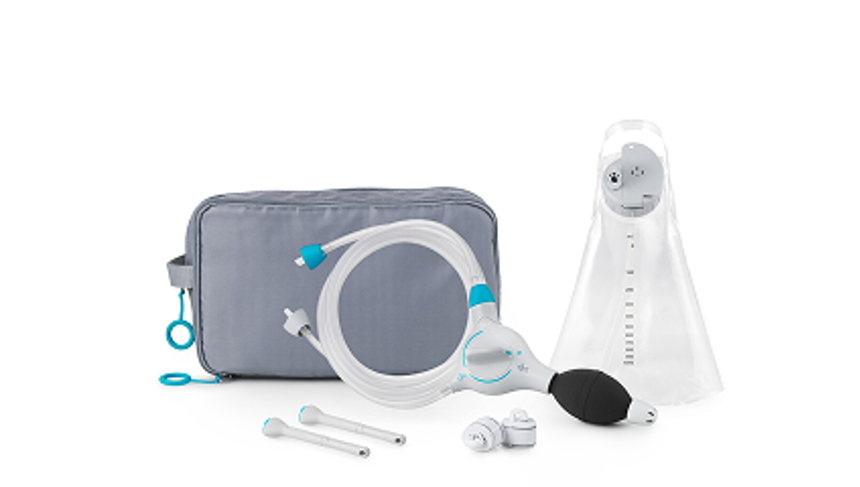
The standard Peristeen® Plus system with balloon catheter contains everything you need to irrigate your bowel. The balloon catheter helps create a seal in the rectum to keep the water in the bowels, and is available in two sizes: Regular and Small.
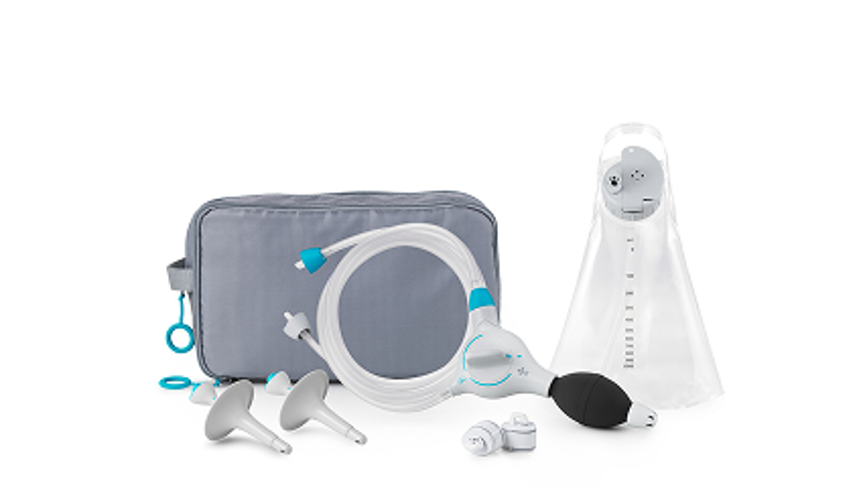
The cone catheter version of the Peristeen® Plus system can be used by users with a range of bowel symptoms, including those who have undergone bowel surgery and are subsequently suffering from Low Anterior Resection Syndrome, also known as LARS.
Peristeen Plus empties the bowels by introducing water into them using a rectal catheter. It is performed while sitting on the toilet. The water flushes out the stool, leaving the lower half of the bowels empty.
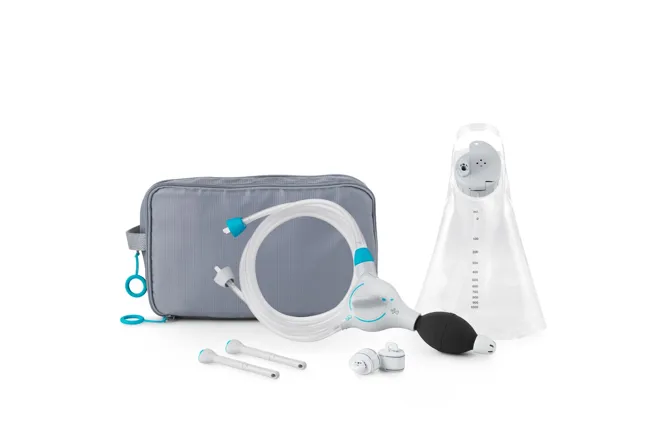
Here you’ll find information about how to use Peristeen® Plus for transanal irrigation.
Peristeen® Plus is a transanal irrigation system designed to manage bowel dysfunction, helping people empty their bowels in a controlled and predictable manner.
Regular use can improve bowel control, reduce episodes of constipation or fecal incontinence, and contribute to a better quality of life.
At the start of treatment, it is important to have an individually tailored adjustment period, preferably with the support of a healthcare professional.
To ensure safe and hygienic use of the system, the components have a defined service life:
Rectal balloon catheter: single-use only.
Water reservoir: it is recommended to replace it approximately once a month (after about 15 irrigations).
Control unit and container lid: can be used for up to 6 months (approximately 90 irrigations), depending on frequency of use.
Following these recommendations helps maintain the proper functioning of the system and user safety.
If you experience discomfort, sweating, dizziness, or a feeling of unease during the irrigation, it is recommended that you temporarily stop the water flow and take a break until the symptoms subside.
Once you feel better, you can gradually resume the procedure.
In the event of severe, persistent pain, continuous bleeding, fever, or severe discomfort, the irrigation should be stopped immediately and a doctor or healthcare professional should be contacted urgently, as this could be a complication requiring medical evaluation.
Peristeen Plus empties the bowels by introducing water into them using a rectal catheter. It is performed while sitting on the toilet. The water flushes out the stool, leaving the lower half of the bowels empty.
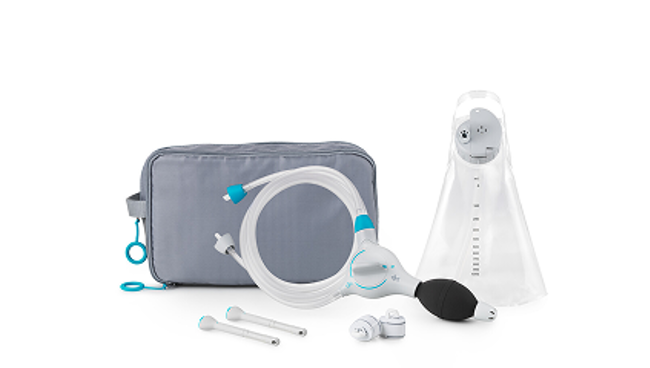
Peristeen Plus is a transanal irrigation system for people with neurogenic bowel dysfunction who suffer from fecal incontinence and constipation.