

Tips for keeping your bladder healthy
How to eat and drink to ensure that your bladder is in the best possible shape.
Your general well-being may influence how you perceive your bladder issues. If you feel poorly, you might also feel that your bladder issues are unbearable. Eating healthy food, which gives you energy, makes your body strong and provides you with a positive self-image, will make you feel better.
How to drink enough
Fill one or more bottles or jugs with water containing a total of 1.5-2 litres of water and store them in the fridge. That will keep the water nice and cold and you will know that once you have emptied them you have reached your daily amount.
How to balance calories
Eat less and limit the occasions where you eat while watching television. Avoid oversized portions by using a smaller plate or bowl. Portion out foods before you eat – then you can arrange it nicely too. When dining out, choose smaller portions or share a dish. Switch to fat-free or low-fat milk. They have the same amounts of calcium and vitamin D, but less calories.

How to increase the intake of healthy food
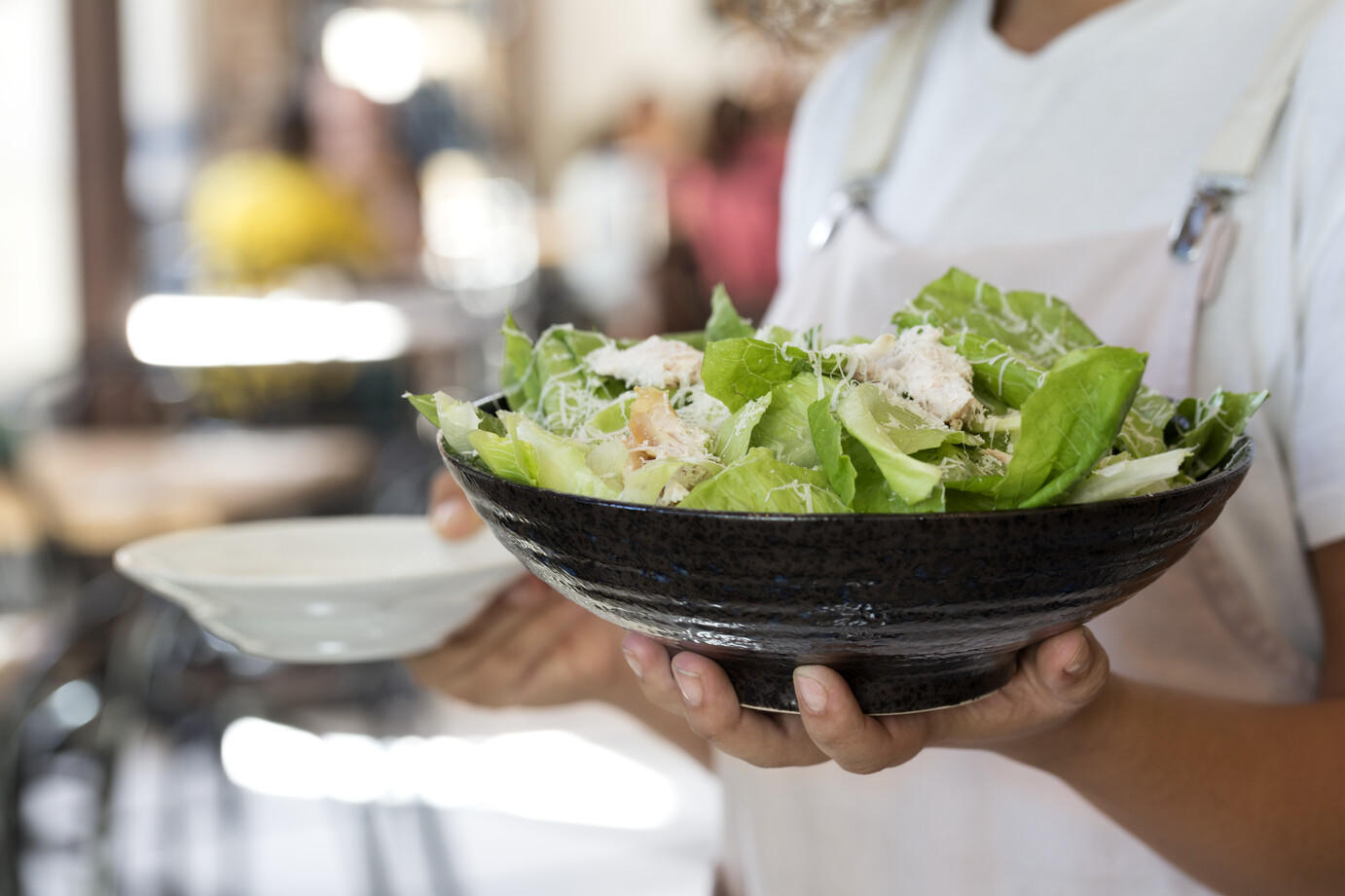
Make half your plate fruits and vegetables. Consider that you have all colours on your plate, red, orange, light green and dark green.
How to reduce the intake of unhealthy foods
Consider unhealthy food such as cakes, cookies, ice cream, pizza and burgers as occasional choices and not everyday foods. Drink water instead of sugary drinks. Eat less salt, which can raise blood pressure. Compare products and buy the one with less salt. Add spices and herbs instead.
Here are some of the nutrients you need to maintain a healthy diet:
Protein
- Good for:
Muscles building, tissue repair, fighting illness and disease, carrying nutrients through the body and producing hormones to name just a few roles.
- How much:
Depends on your weight and how much you use your body (exercise). Ask your doctor how much is ideal for you, as too much protein is not healthy.
- Best sources:
Lean meat, chicken and fish, eggs, dried beans, and nuts.
Vitamins and minerals
- Good for:
Supporting normal body function and prevent disease. The different vitamins and minerals each have different roles; help heal wounds, bolster your immune system, convert food into energy and much more. Many effects are gained from different vitamins and minerals interacting.
- How much:
A minimum of 5 portions of fruits and vegetables per day is recommended, which also ensures that you get enough fibre. Fibre is important to avoid constipation, which may have a negative impact on your bladder health.
Fibre
- Good for:
The right amount of fibre is important to establish and maintain stools and avoid constipation, which can have a negative effect on your bladder.
- How much:
In the UK, the recommended average intake for adults is 30g per day.
- Best sources:
Fruit and vegetables, pasta, rice, wholemeal bread
Tips for optimal bladder management
Pelvic floor exercises
Pelvic floor exercises or kegels are designed to strengthen the pelvic floor muscles to help reduce urinary incontinence. Pelvic floor exercises are equally relevant for women and men. Do it when you are waiting in line, when you watch TV, read a book, in the shower or whenever you can fit it into your daily life. You will need to do the exercises daily and it may take several months before you see a significant improvement.
Bladder retraining
Some people are able to retrain the bladder to help reduce urinary incontinence, by aiming to gradually stretch the bladder so that it can hold larger volumes of urine. Scheduling bathroom visits and delaying urination could be part of that technique. Ask your nurse or doctor if bladder retraining is relevant for you. Bladder retraining can be combined with using a bladder diary. You can download a scheme here or create your own.
Lifestyle changes
Timing fluid intake at certain times can also be helpful so the need to urinate is more convenient and doesn’t coincide with going out or sleeping at night, but still keep in mind that you need to drink around 1.5–2 litres of fluid a day.
Medication
Drugs are prescribed for all types of bladder issues. Talk to your doctor regarding the use of medication.

How can Coloplast Care make a difference for you?
- Reliable advice, whenever you need it
- Supplement the education and advice you get from your stoma care nurse
- Guidance on selecting the right products
- Easy access to samples of relevant products
- Free home visits by Coloplast Stoma Care nurses
Life with an ostomy isn't always straightforward. So why go it alone?