

Introduction to spina bifida
Spina bifida literally means ‘split spine’ or ‘open spine' and is the result of defect in the spinal column that develops before a baby is born. The damage to the spinal cord can, not only impair mobility, but can also affect bladder and bowel function. The severity of the spina bifida depends on where along the spine the opening occurs, the size of the opening, whether skin covers the affected area and whether or not spinal nerves are involved.
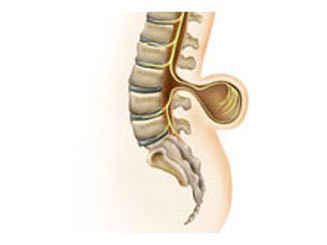
Myelomeningocele
Myelomeningocele is where paralysis of the legs is likely and where bladder and/or bowel dysfunction is likely in 80% of cases. It occurs when the damaged spinal cord and nerves protrude through the opening in the spine, along with meninges (membranes that envelop the central nervous system) and cerebrospinal fluid.
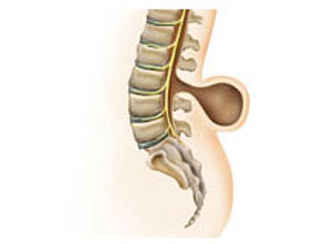
Meningocele
Meningocele is when the meninges stick out through the opening in the spine in a sac that is also filled with cerebrospinal fluid. In general, meningocele is associated with a lesser degree of disability than myelomeningocele, but bladder and bowel problems are possible.
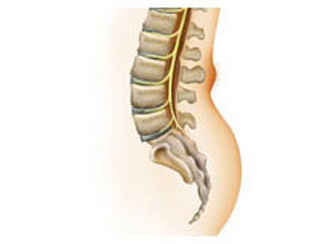
Spina bifida occulta
Spina bifida occulta is fairly common; one in 10 people may have it. Most people will not have any symptoms of disease. However, in about one in 1000 cases, the spinal cord might be trapped between the bones of the spine in the affected region. Some effects may be seen in childhood, such as bladder and bowel problems, or leg pain.
Prevention of spina bifida
The number of children born with spina bifida is declining due to a combination of more women taking folic acid supplements before and after conception and screening programs to identify the condition early in pregnancy.
Spina bifida and bladder problems
As the bladder and bowel are controlled by the nerves in the lower part of the spinal cord, a spinal cord that is damaged will lead to bladder dysfunction to different degrees depending on the severity of the nerve damage. What kind of bladder problems? Most people with spina bifida will experience bladder and/or dysfunction known as neurogenic bladder, which means they have difficulties controlling their bladder. A neurogenic bladder can lead to either overactive (reflex) bladder and/or underactive (flaccid) bladder, which is why people with spina bifida need help to manage their bladder.
Most children with spina bifida will experience bladder dysfunction known as neurogenic bladder, which means they have a decreased ability to control their bladder. A neurogenic bladder can lead to either spastic bladder and or flaccid bladder, which is why spina bifida children need a good bladder management programme.
Flaccid bladder
The most common type of bladder dysfunction in spina bifida is flaccid bladder. This is when the bladder overstretches allowing extremely large amounts of urine to be stored before being expelled. The bladder can stretch to hold as much as 2000 ml of urine, which can lead to leakage. Very often when you have spina bifida, flaccid bladder usually occurs in combination with a sphincter muscle that does not open to the urethra.
Spastic bladder
This is when the bladder is very rigid, which means that it is unable to stretch and therefore cannot hold as much urine as normal. On top of this, the bladder may not empty completely, which increases the risk of a urinary tract infection, as the residual urine acts like a pool in which bacteria can grow.
Typical symptoms of spastic bladder are:
- The need to empty your bladder frequently
- Uncontrolled leakage
- Spontaneous emptying

How can Coloplast Care make a difference for you?
- Reliable advice, whenever you need it
- Supplement the education and advice you get from your stoma care nurse
- Guidance on selecting the right products
- Easy access to samples of relevant products
- Free home visits by Coloplast Stoma Care nurses
Life with an ostomy isn't always straightforward. So why go it alone?